Voilà qui va bien aider.
La création d’Another World est bien documentée, elle a même servi de pilier marketing lors de la promo du jeu. Cette petit conf’ est un chouette (et souvent très mesh) récapitulatif.

Un des commentaires synthétise tout ça:
* Made a game in 64kb.
* Made a photoshop-like image editor that implements the image steps in code.
* Modified a level editor so you can have data on non performant areas.
* Made a system to use and animate meshes.
* Made an audio editing tool.
* Made your own lighting system.
* MADE YOUR OWN FUCKING LANGUAGE?!
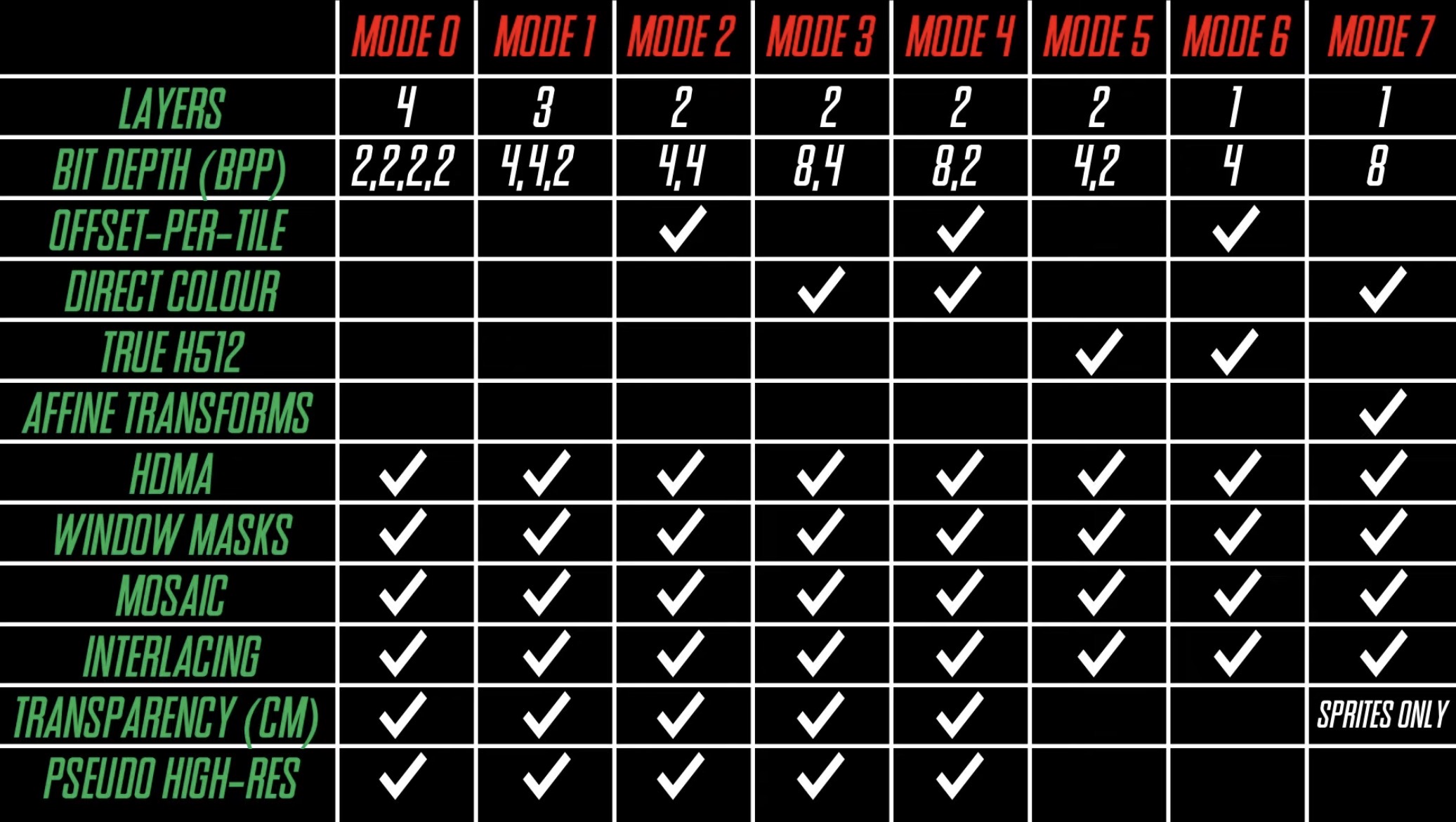
Une bonne démonstration des huit modes graphiques (0-7) de la Super Famicom.
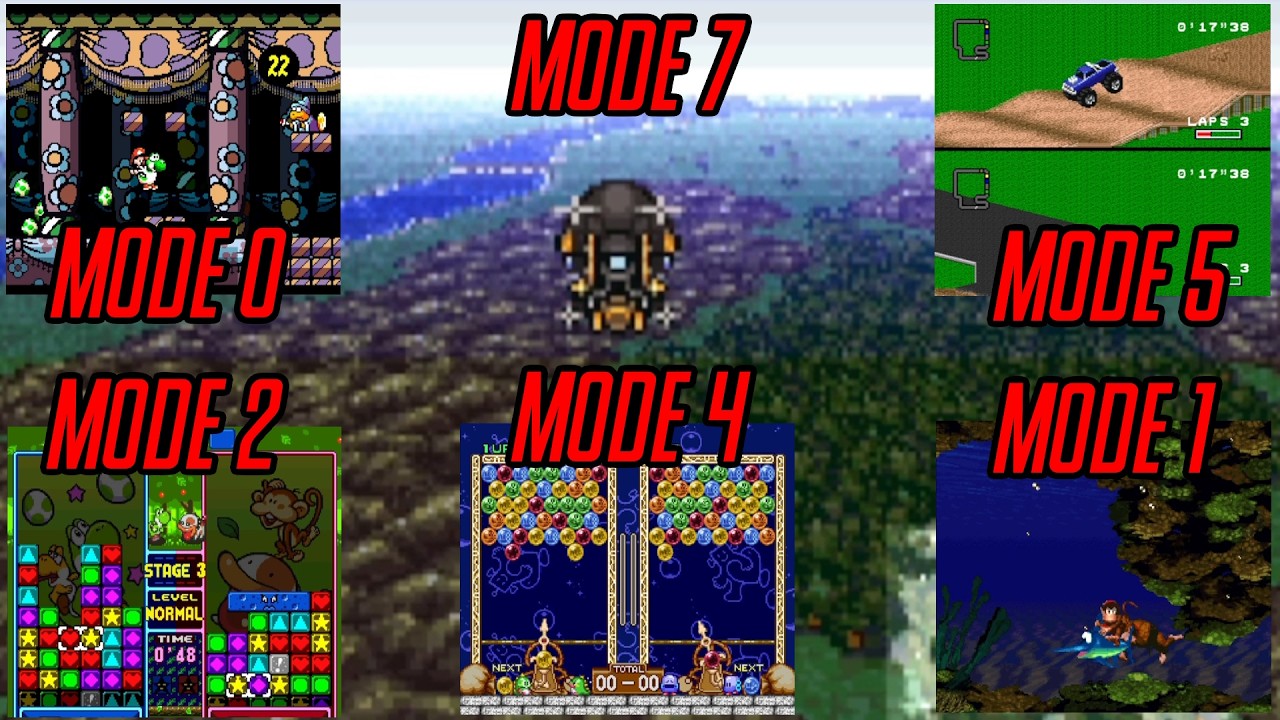
00:00 Intro
00:40 Mode 0
04:38 Mode 1
07:17 Mode 2 & offset-per-tile
11:02 Mode 3 & direct colour
16:05 Mode 4
19:42 Mode 5 & interlacing
24:16 Mode 6
27:05 Mode 7 & affine transformations
32:12 Manipulating backgrounds with HDMA
38:22 Pixellating backgrounds with mosaic
40:17 Putting it all together
Une bonne introduction à différents principes de développement.
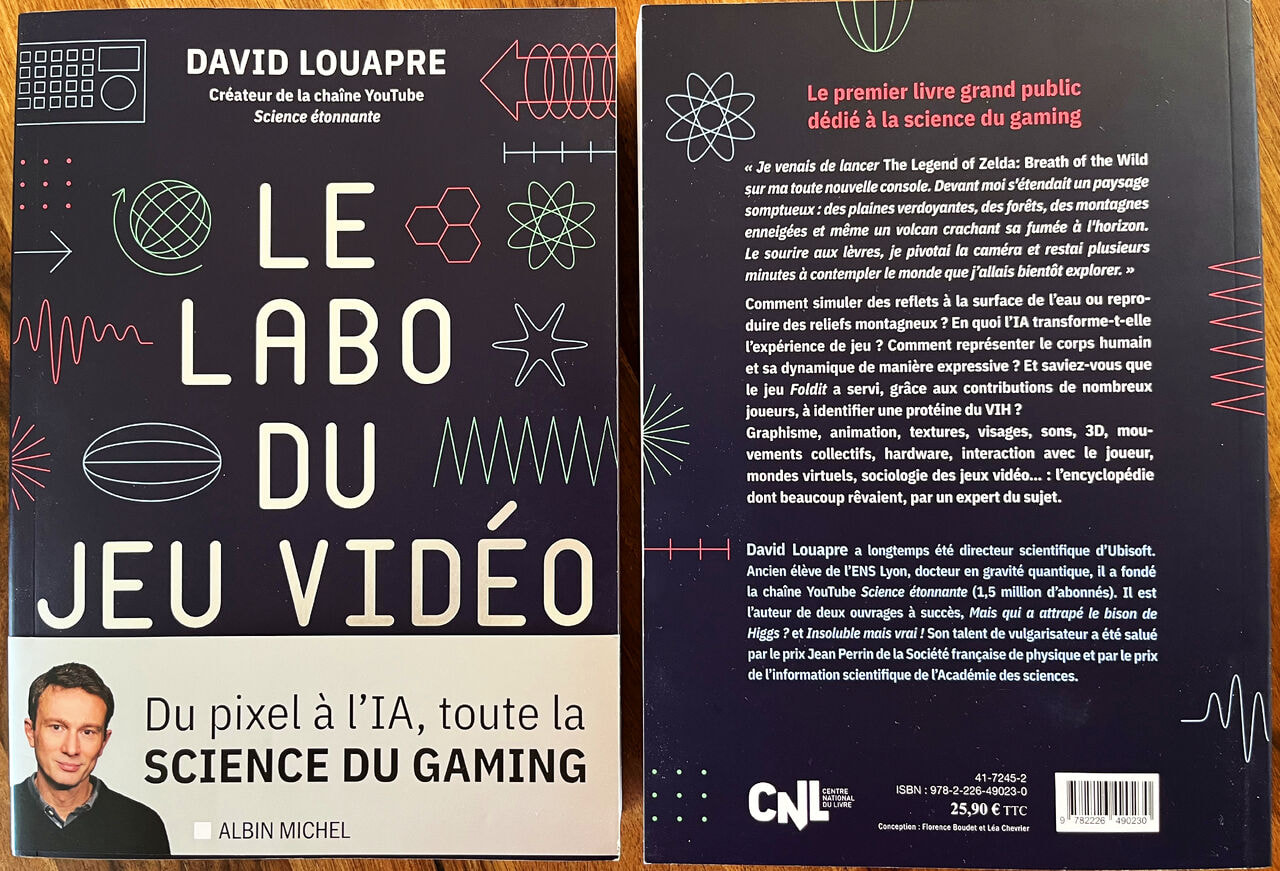
Je n’avais pas « Albin Michel » et « Mesh Rebelle » dans la même grille de bingo 2026 mais le bouquin a l’air validé.
David Louapre sur LinkedIn :
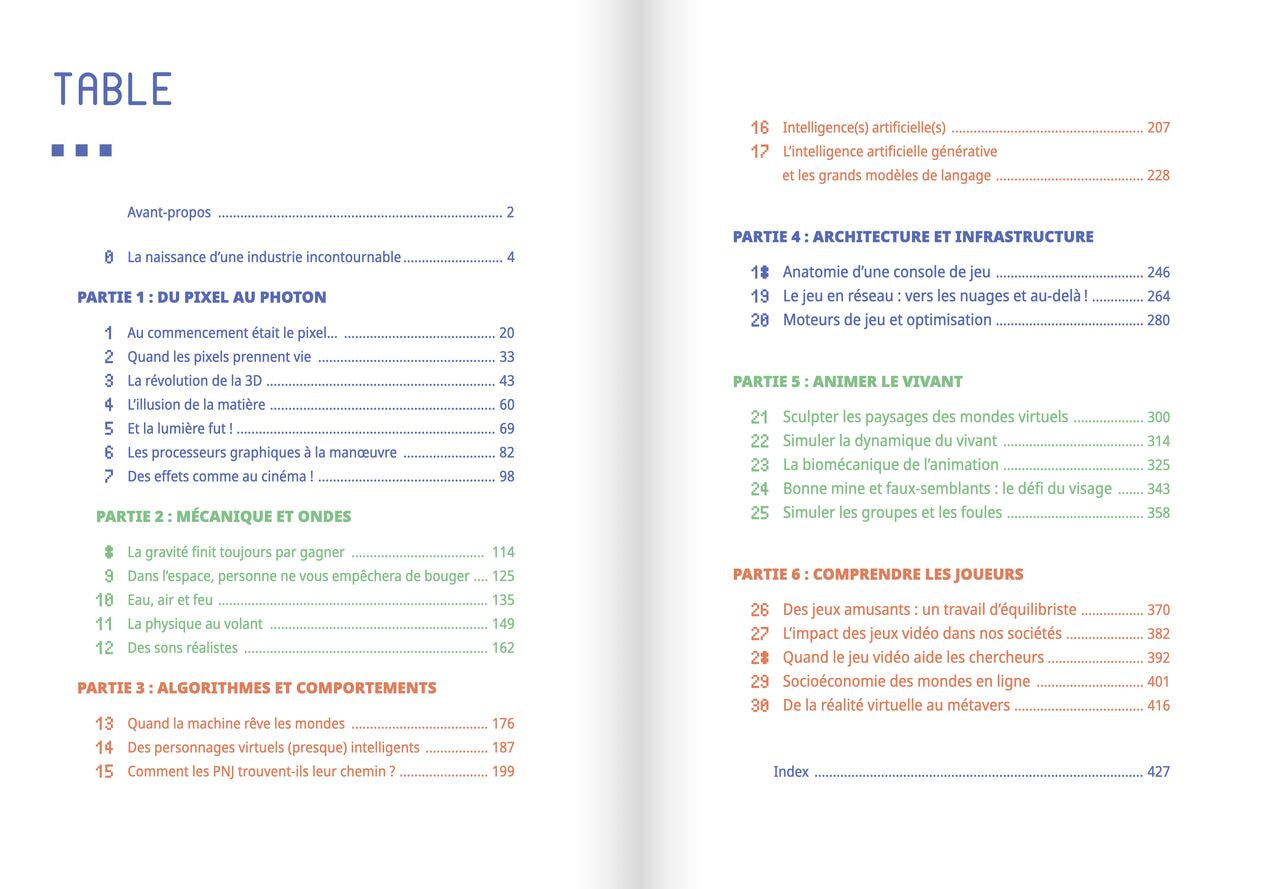
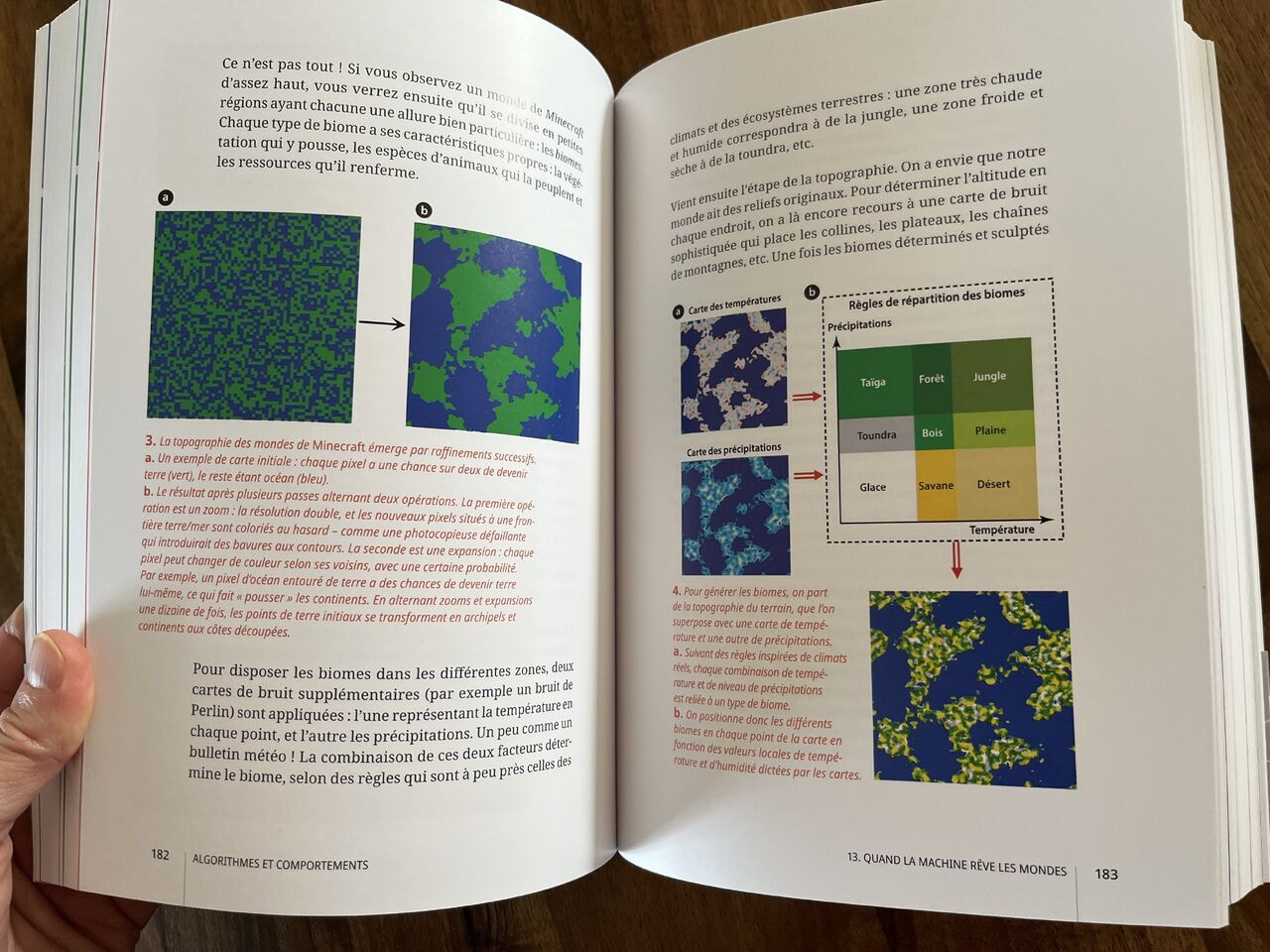
En 30 chapitres et 432 pages pleines d’illustrations, je vous y raconte le rôle que jouent les sciences dans la conception et le développement des jeux vidéo : informatique graphique, physique, probabilités, biophysique, géologie, sciences humaines…toutes ces disciplines qui contribuent à rendre les jeux plus réalistes et plus fun.
Le livre s’adresse au grand public ! Nul besoin d’être un gamer invétéré, un professionnel du domaine ou un scientifique aguerri. Même si au cours du voyage, j’essayerai de vous parler un peu de tout ce que j’ai appris de mes années chez Ubisoft
J’ai choisi un topic parmi d’autres, mais si vous souhaitez rattraper les conférences du Game Camp 2026 et que vous avez beaucoup de temps libre, une petite soixantaine de vidéos pour vous.
PoE2 avait un gros problème de crash sur certaines cartes. Problème : impossible de reproduire le problème facilement.
Ils sont enfin arrivés à identifier et trouver une solution, et ils ont même mis une petite vidéo d’explication ! tl;dr : optimiser un jeu pour PC, c’est pas facile.

La nouvelle vidéo de White Pointer Gaming est une plongée fascinante dans les six différents modes vidéo de la Game Boy Advance.
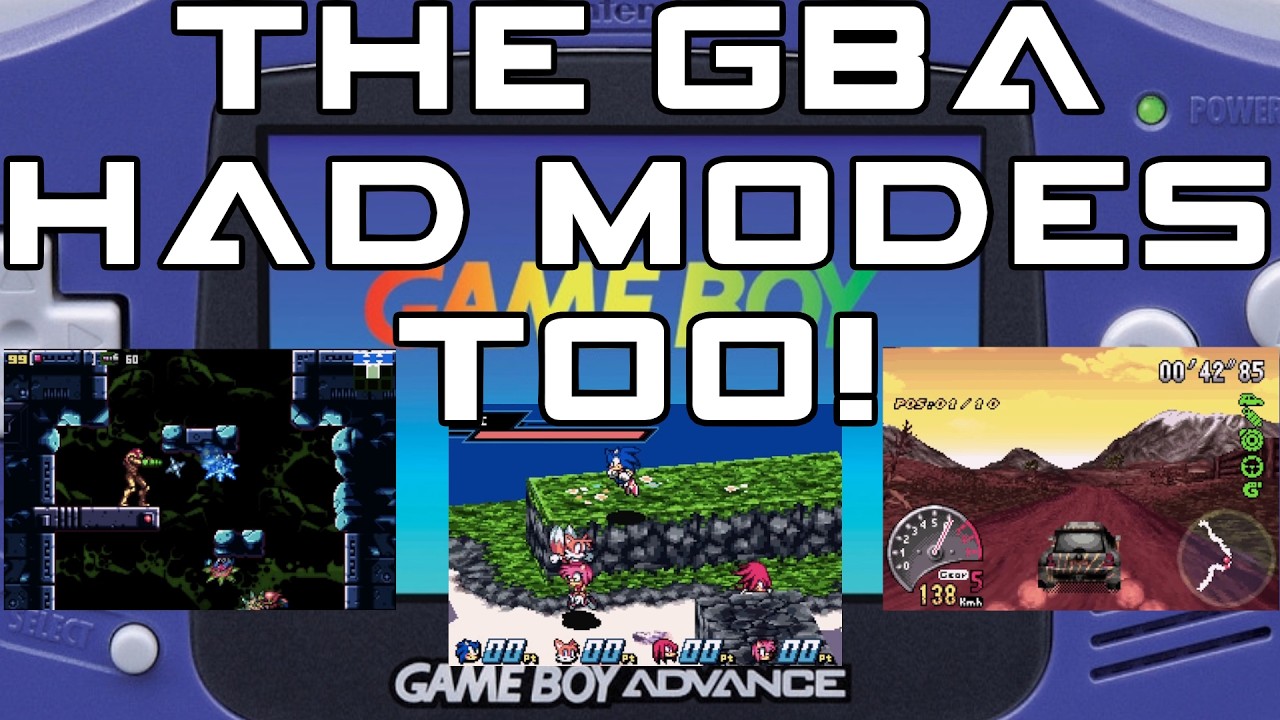
Bien sympa, je m’amuse bien avec.
 Unreal Engine
 Real Engine
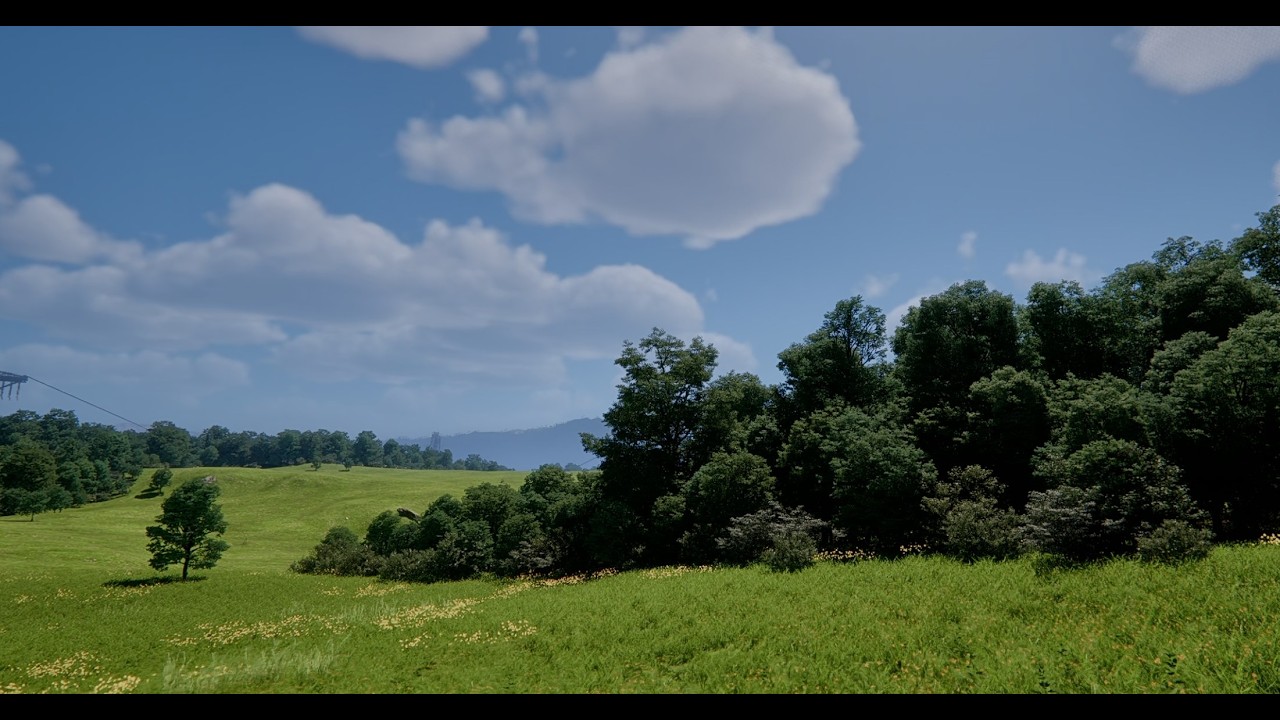
A new forest showcase in the engine I’ve been creating for the past 8 months or so (pretty much all of it handwritten).
I have been working on a lot of stuff in Godot since the last video (GI, virtual textures and other things), but I ultimately decided it would make more sense to roll a custom engine with an architecture defined by all of the things I need and not bolted onto some engine that tries to do everything. The engine doesn’t do a lot of different things, but what it does (rendering a heavy amount of instances with a heavy amount of polygons) it does incredibly well.Architecture:
• CLODs (virtual geometry) with voxels for far representations (no impostors are used here).
• Screenspace + Voxel hybrid GI (no raytracing).
• Proxies without instance data for very far away representations.Additionally I wanted to support expressive weather systems from the ground up (since it’s going to be a big part of my game). I’m not 100% there yet but I will keep improving the realism.
This showcase was running on an RTX 3080 and I get an average of 130 fps uncapped (aerial views can go to 200 fps while in the deeper dense forest it can drop to 80 fps). My laptop with an RTX 3070 mobile can maintain 60 fps in most views as well. Cutting on some effects lower end hardware should be able to run this as well. RTX 2060 and RX 6400 is the theoretical limit because of the the GPU features I’m using.