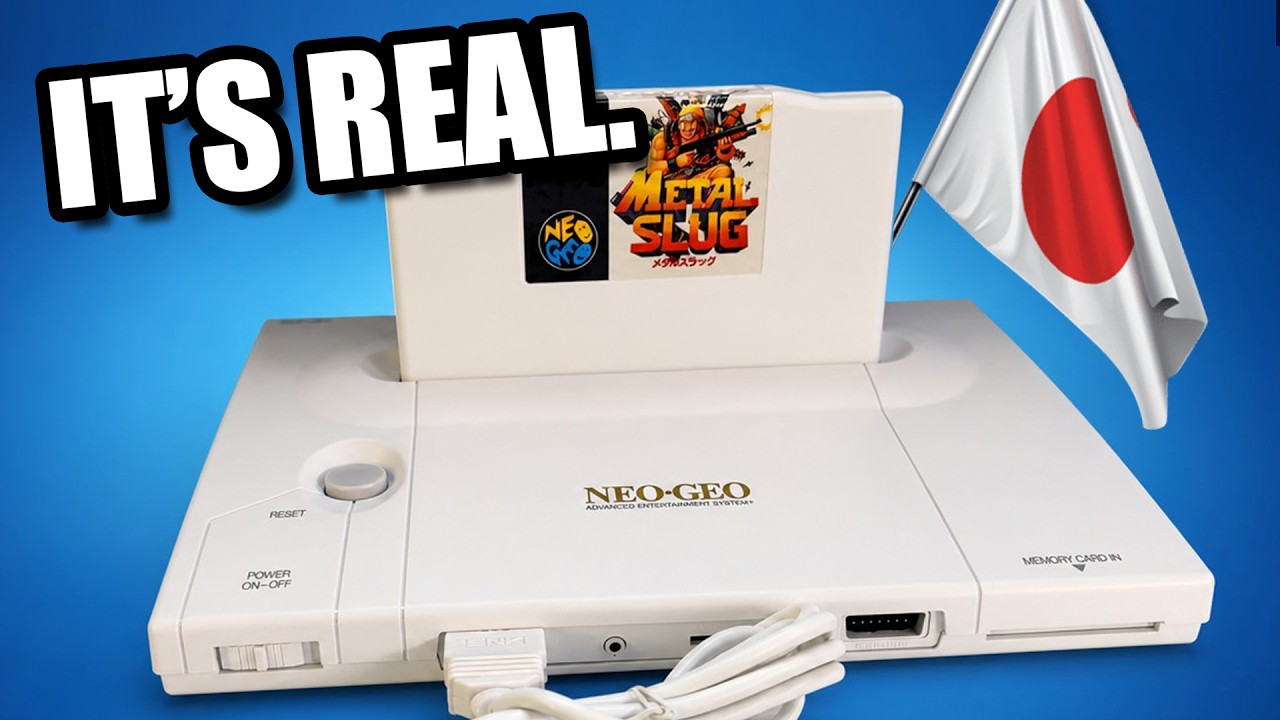
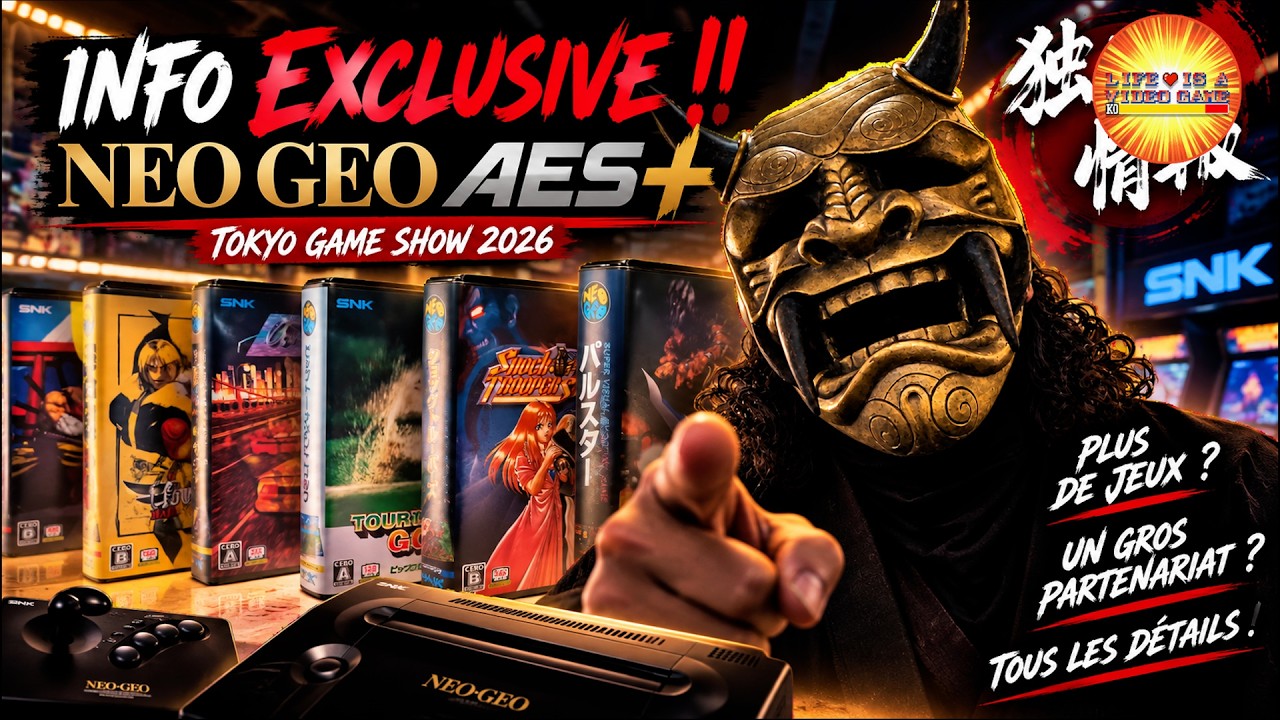
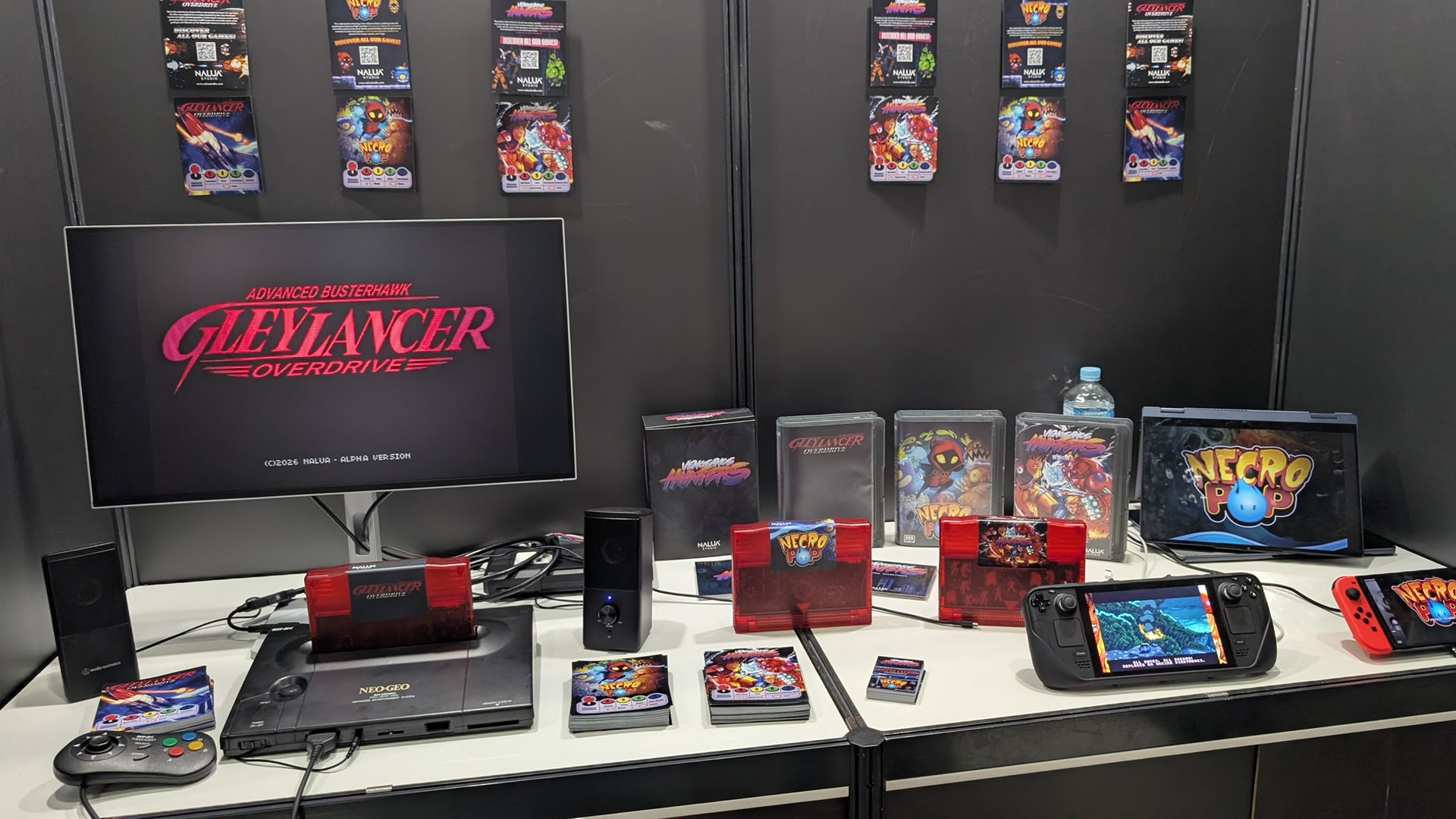
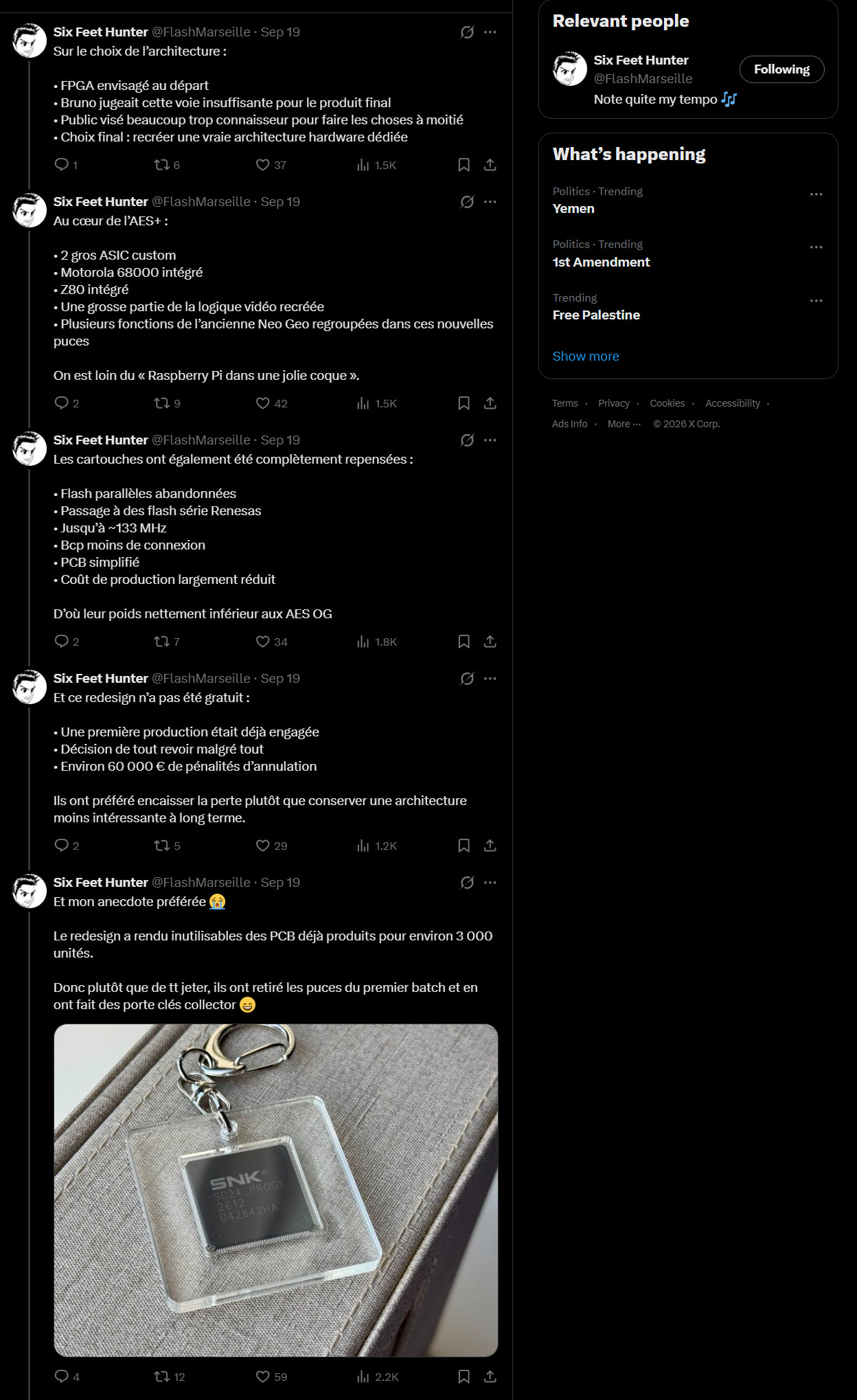
On en sait désormais un peu plus sur le pourquoi du retard de Neo AES+ et c’est apparemment du côté des cartouches qu’il faut trouver les raisons. La demande environ 20 fois plus élevée qu’attendu aurait rendu le deal passé avec Macronix impossible, les jeux auraient couté 3x plus cher à fabriquer et la quantité requise livrée en 2028 seulement. Ce qui contraint les ingés à trouver une solution excluant la NOR parallèle pour produire de nouveaux designs de cartouches basés sur de la NOR série.
Le bien informés Life is a Video Game en parle dans ses deux dernières vidéos, parmi d’autres scoopus sur les revêtement plastiques différents, la qualité accrue du stick, les inserts, les deals avec d’autres éditeurs, le fonctionnement des switchs ou la génération intégrée de scanlines. On n’a jamais eu autant d’infos.
Le style de ce youtuber étant ce qu’il est, je vous mets un récap écrit trouvé sur Reddit.
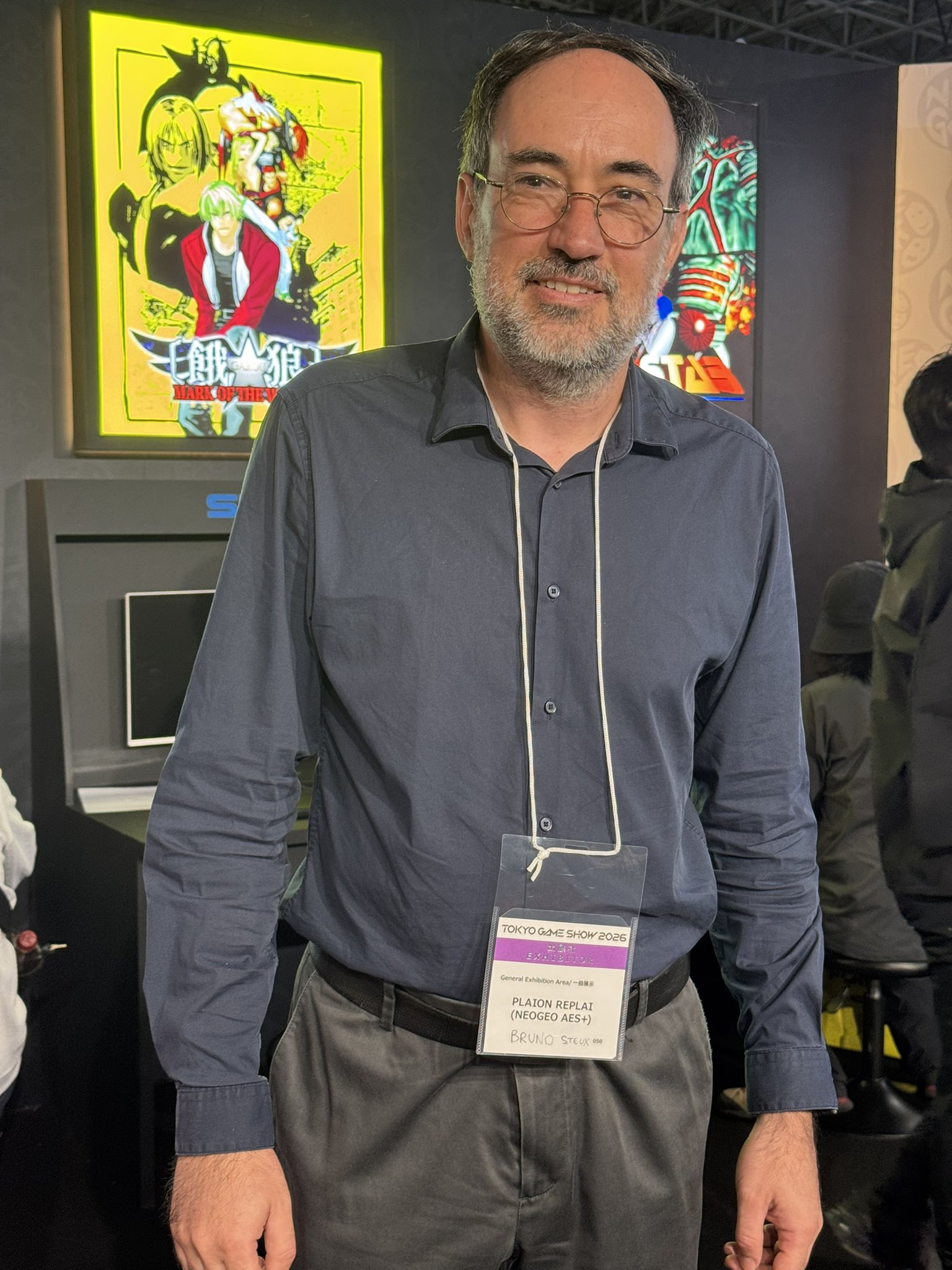
It seems he spoke with Bruno Steu one of the engineer behind the machine
1. The Real Reason for the 1-Year Delay (The Project Almost Died)
Pre-order Demand Blew Up: Pre-orders reached 30x initial console estimates and 20x game projections. The original supply chain couldn’t handle it.
The Macronix Crisis: The prototype cartridges shown at TGS used parallel NOR flash memory from Macronix. When Playion went back to negotiate the higher volume, Macronix countered with a price tag 3x higher and a delivery date of 2028.
Near-Cancellation: With heavy capital already burned on R&D, tooling, and licenses, the AES+ was nearly canceled outright.
The PCB Redesign: Engineers Furtech and Bruno Steu completely redesigned the cartridge architecture to use serial NOR flash memory sourced from Nissha Electronics (Japan), who can meet the massive volume demands.
Will Serial NOR Flash Cause Lag? No. Despite internet fearmongering about serial vs. parallel memory on Neo Geo architecture, the team confirmed zero additional loading times or slowdowns.
2. Audio Bug Fixes
Shock Troopers Audio Cutout: During TGS testing, Shock Troopers audio would randomly go silent.
The Fix: The issue was traced to a prototype PCB trace error (signal transmission line was too long). The PCB is being completely redesigned prior to manufacturing.
3. Deep Dive into the 8 DIP Switches
Underneath the AES+ trapdoor, there are 8 functional DIP switches:
Switch 1: Resolution (1080p / 720p)
Switch 2: Signal Output (Analog / HDMI)
Switch 3: Refresh Rate (Original 59.6 Hz for perfect compatibility vs. 60 Hz for modern displays with a tiny ~0.67% speed boost)
Switches 4 & 5: Overclocking (16 MHz or 24 MHz) to eliminate historical slowdowns (like in Metal Slug 2)
Switch 6: Horizontal Crop (Removes blank side borders/artifacts on 320p/304p games)
Switch 7: Vertical Crop / Scaling
Switch 8: Aspect Ratio (16:9 Stretch mode for those who like wide aspect ratios)
4. Scanlines Confirmed
The console’s custom ASIC actually had a hardware-level scanline generator baked into it from day one by Bruno Steu (it inserts physical black lines between pixel rows rather than using a cheap software overlay).
Plaion didn’t originally build a switch to toggle it, but due to community demand—and thanks to the delay giving them extra dev time—a method to activate scanlines will be fully integrated for release.
5. Compatibility & Packaging Details
Backward Compatibility: Tested on-site with an original Neo Geo Mahjong controller and worked flawlessly on the AES+.
Clamshell Cases: High build quality, though the plastic feels slightly different/lighter compared to 1990s originals.
Reversible Inserts: They retain the same region on both sides, but allow you to flip the cover to hide rating badges (PEGI, CERO, etc.) for a clean look. Hopefully we get real reversible covers.
Printing Specs: Game inserts are confirmed to be printed in offset using Planeta (German) industrial printing presses for color accuracy.
Le bios étant confirmé upgradable, j’espère que nous aurons droit à terme aux cheats de l’Unibios.